
Expert Cracked Teeth Treatment
Cracked teeth demonstrate many types of symptoms, including pain when chewing, temperature sensitivities, or even pain on release of biting pressure.
Cracked Teeth
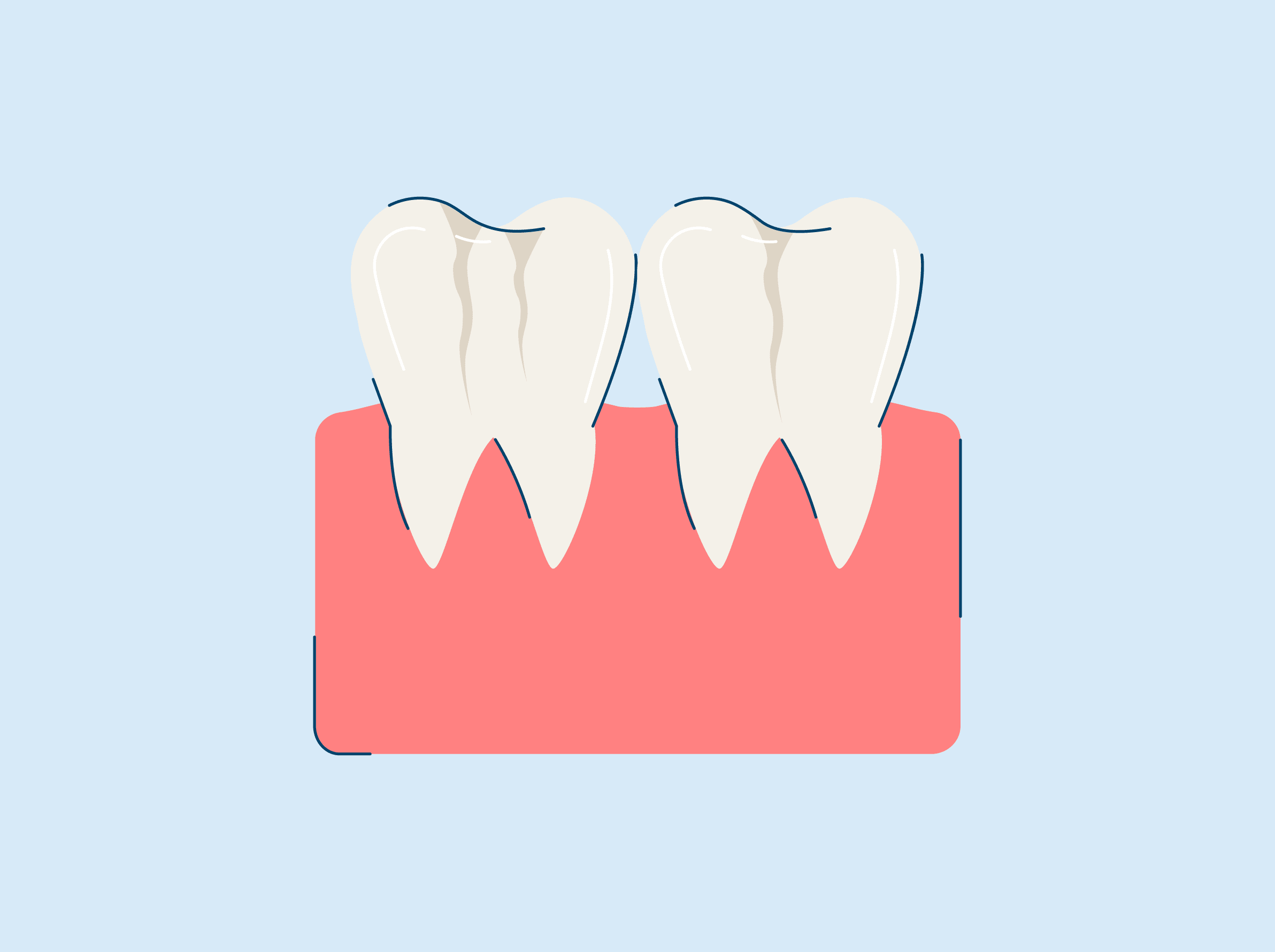
Cracked teeth can be bothersome for many reasons, including pain while chewing or temperature sensitivity. Unfortunately, it's common to temporarily feel these symptoms, which makes the discomfort challenging to diagnose.
When you chew, it can cause the cracked pieces of the tooth to move, irritating the pulp in the tooth. Additionally, the motion of eating causes pressure to build and release, resulting in sharp pain. Eventually, the pulp is damaged, and the tooth will hurt consistently. Another problem is the potential for an infection of the pulp tissue. This infection can spread to the bone and gums around the tooth as well.

Types of Cracks
Craze Lines
These are tiny cracks on the outside of the tooth that don't go past the outer enamel. They're more common in adults, are superficial, and are often not a reason for concern.
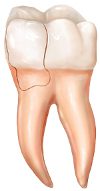
Fractured Cusp
Fractured cusps occur when the area weakens. It can break on its own or be removed by your dentist. These rarely damage the pulp, so a root canal isn’t always necessary for these types of cracks. Instead, a restorative dentist places a crown over the tooth.
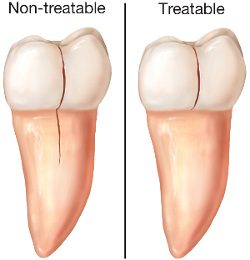
Cracked Tooth
A traditional cracked tooth goes from the chewing surface to the root. These can go into the root and damage the pulp. A root canal is necessary to fix this type of problem. If it's not repaired right away, the patient can lose their tooth.
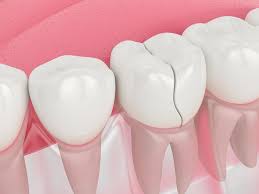
Split Tooth
When a tooth splits, it's often a result of a cracked tooth that wasn't treated. The crack is visible and extends through the tooth. The two segments of the tooth are often mobile and many times these teeth have to be removed due to the extent of damage present.
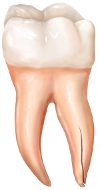
Vertical Root Fracture
A vertical root fracture is slightly different. It starts in the root and extends to the crown of the tooth. These are easy to miss because the crack rarely causes pain, and symptoms are often mild. In many cases, depending on how extensive the damage is, the tooth will need to be removed.