Endodontic Retreatment
When a Tooth Needs Endodontic Retreatment
With the right care, a tooth that's gone through endodontic treatment will last as long as your other natural teeth. Unfortunately, sometimes treatment doesn't work, or the tooth fails to heal. In addition, the pain can return in a few months or even years after the initial root canal. The good news is that this doesn't mean you are out of options to save that tooth. Our endodontists can retreat your tooth.
Common Causes of Treatment Failure
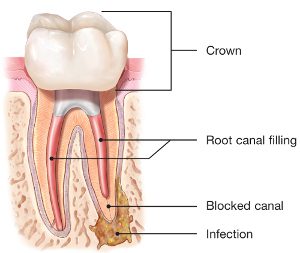
Endodontic retreatment might be necessary when the tooth fails to heal.
Reasons this situation can occur include:
New Issues That Can Require Retreatment
Additionally, new issues can arise, leading to endodontic failure and the possible need for retreatment. These issues could include:
How Endodontic Retreatment Works
Nonetheless, Meridian Endodontics is available to assess the situation and complete the retreatment procedure. The doctor will reopen the tooth to access the root canal filling material and remove it. Next, they'll clean out the canal and reassess the tooth. Lastly, the endodontist refills and seals the canal. Again, a temporary filling is placed to protect the area until a crown is placed.
Completing the Restoration Process
The patient should return to see their dentist within the next few weeks to have the tooth permanently restored. This permanent restoration by your dentist is the final step to completing the retreatment process.