
Traumatic Injuries
Dislodged Teeth
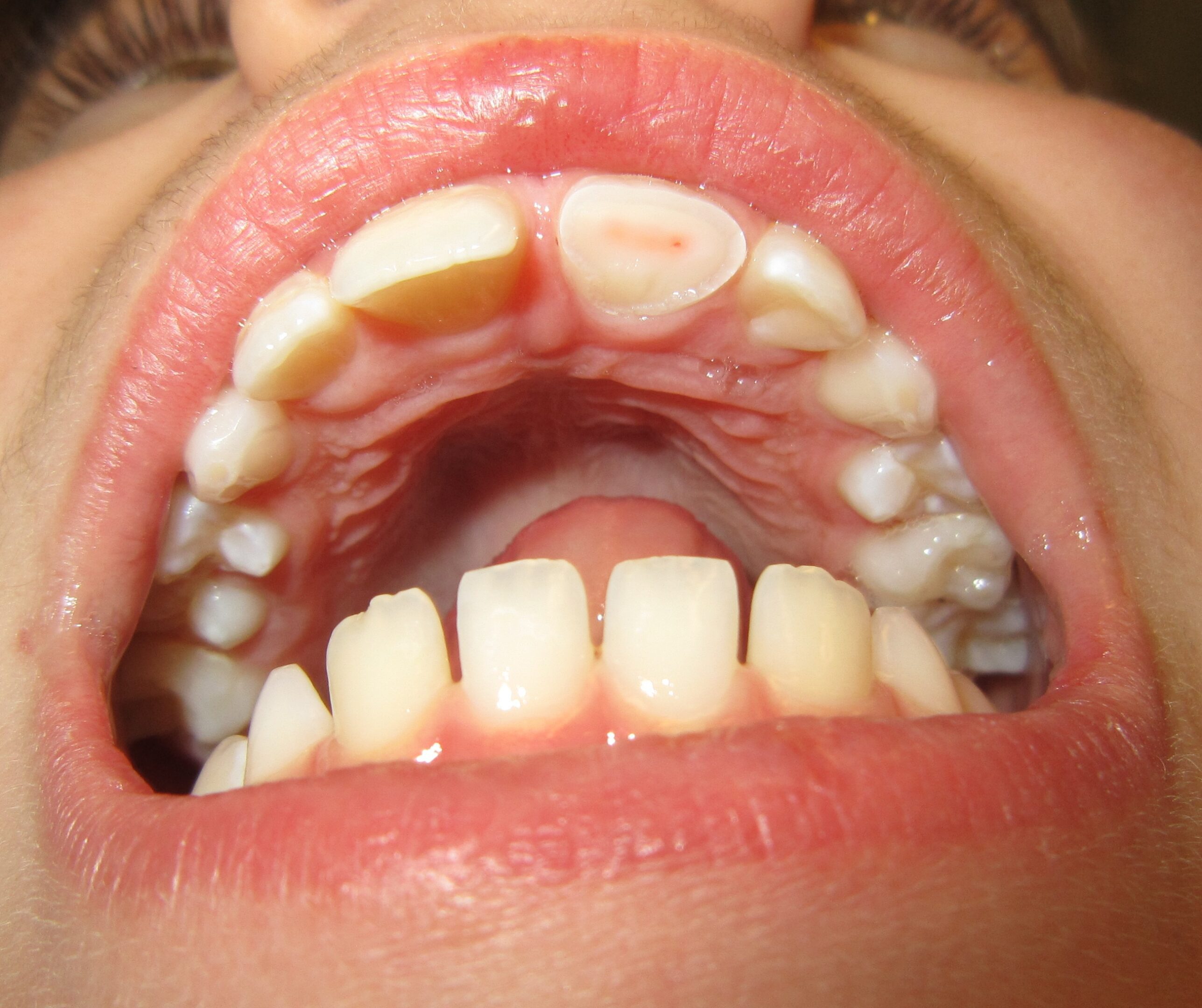
A severe injury to the mouth is traumatic. It can cause teeth to be slammed into their sockets. An endodontist performs root canal treatment. Oftentimes, root canals after traumatic injuries are completed over two appointments. They start by cleaning out the root canal space and placing a medication, such as calcium hydroxide, inside the canal for several weeks. After you return, the medication is removed and a permanent root canal filling is placed and sealed.
If the tooth was pushed partially out of the socket, the endodontist or general dentist might be able to reposition and stabilize the tooth or teeth. First, the doctor will check the tooth to see if the pulp is still healthy. If there's no damage, a root canal may not be immediately necessary. However, if the pulp is damaged or an infection is present, endodontic treatment is needed to save the tooth.
Avulsed Teeth
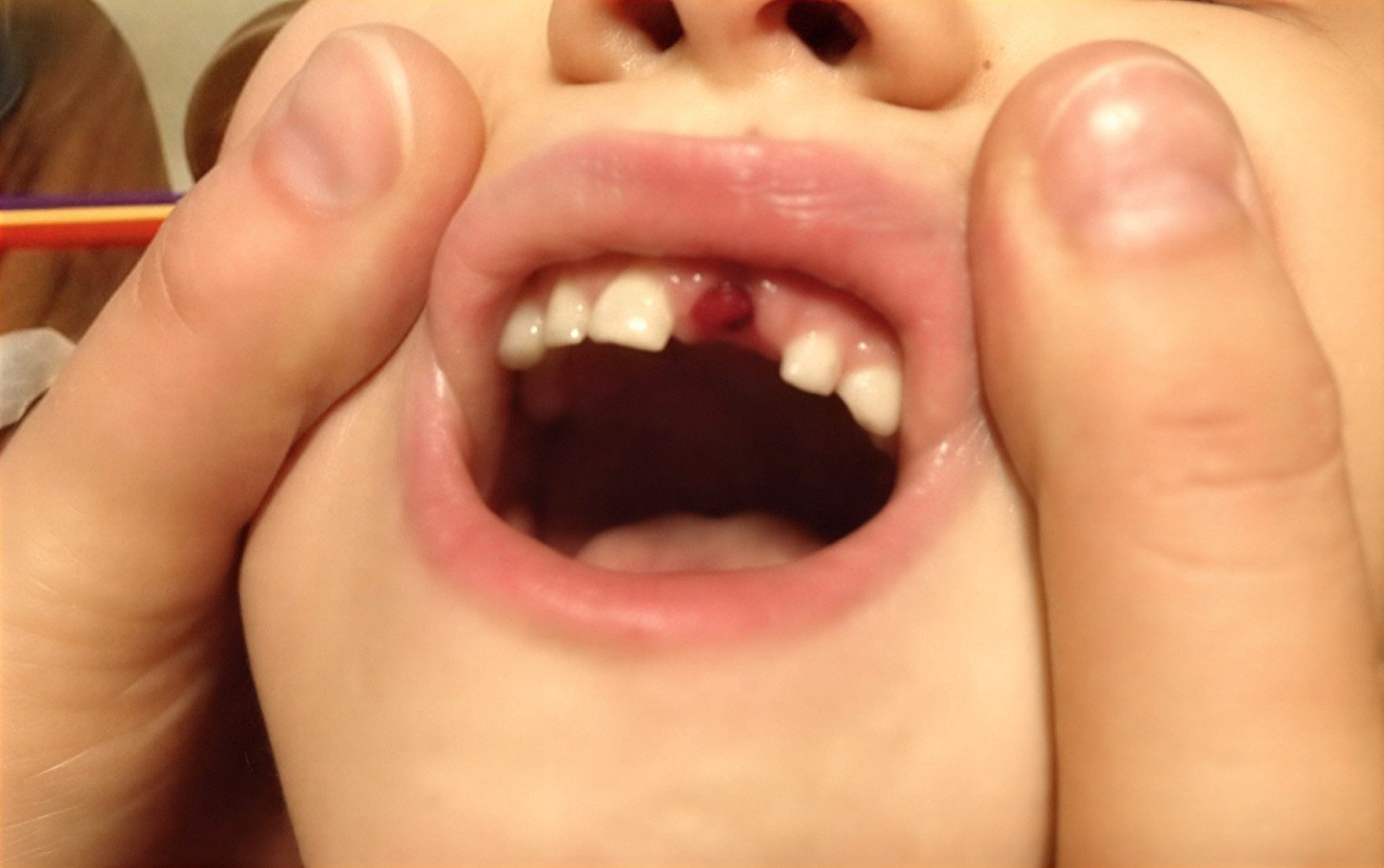
An avulsed tooth is another way of saying it was completely knocked out of your mouth. You may be able to save the tooth if you follow the correct steps. However, you must be treated immediately. If this happens to you, keep the tooth moist. A dry or cold environment can quickly lead a lost tooth down the path towards decay and infection. keep it fresh and increase the likelihood of saving the tooth.
Keeping your tooth in milk or water with a pinch of salt can help keep it fresh during the root canal process. What can be done oftentimes depends on the level of root development, how long the tooth was out of place, and how it was stored when it was out of its socket.
Injuries in children
It's also possible to save an injured immature tooth with proper care. Here are two options your endodontist has to treat these types of injuries.

Apexogenesis
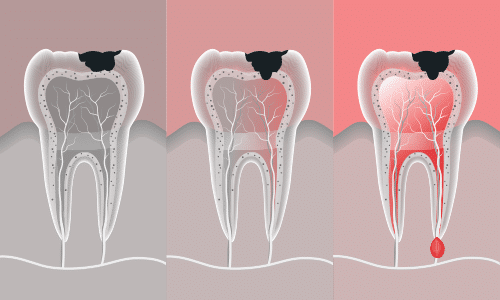
Apexogenesis encourages the root to continue to develop after the pulp heals from the injury. The doctor covers the soft tissue with medication that promotes growth. It leaves the tip of the root, or apex, to continue to close as your child ages. During this time, the walls of the root canal thicken to offer better protection. When the procedure is successful, no further treatment is needed.
Apexification
Apexification involves removing the unhealthy tissue from the roots of the tooth. The doctor adds medicine to the root to encourage hard tissue to form near its tip and offer a more substantial barrier for the root canal filling. Unfortunately, the root canal walls won't continue to develop after the procedure. As a result, the tooth will be susceptible to breaks. Restoration is needed following apexification to protect the tooth from further damage.

Let Us Help You
For more information about traumatic injuries to the mouth or to schedule an appointment, contact our office at (317) 846-4980.